TL;DR: If there is website traffic but no enquiries, the problem is almost never the amount of traffic. It is what happens after people arrive. Something on the page is quietly talking them out of getting in touch.
The usual causes are a slow site, an unclear message, no obvious next step, and a lack of trust. All four are fixable without spending a penny more on getting people to the site.
This guide walks through why a website gets visits but no leads, and the practical changes that turn quiet traffic into real enquiries.
- Traffic but no enquiries is a conversion problem, not a traffic problem. More visitors will not fix it.
- The four usual culprits are a slow site, a muddled message, no clear call to action, and weak trust signals.
- Visitors decide whether to trust a site in seconds, largely on how it looks and how fast it loads.
- A single clear next step on every page, and an easy way to get in touch, does a lot of the heavy lifting.
- Fixing conversion is cheaper than buying more traffic, because you are already paying to attract the visitors you have.
It is one of the most disheartening things in business. You can see the visitors arriving, the numbers in your analytics look healthy, and yet the phone stays quiet and the contact form gathers dust.
Website traffic but no enquiries is a genuinely common problem, and the good news buried in it is this: you have already solved the hard part. Getting people to visit is the expensive, difficult bit, and you are doing it.
What is left is a conversion problem, and conversion problems are usually cheaper and faster to fix than traffic problems. Let us work through why it happens.
Website Traffic But No Enquiries – Why?
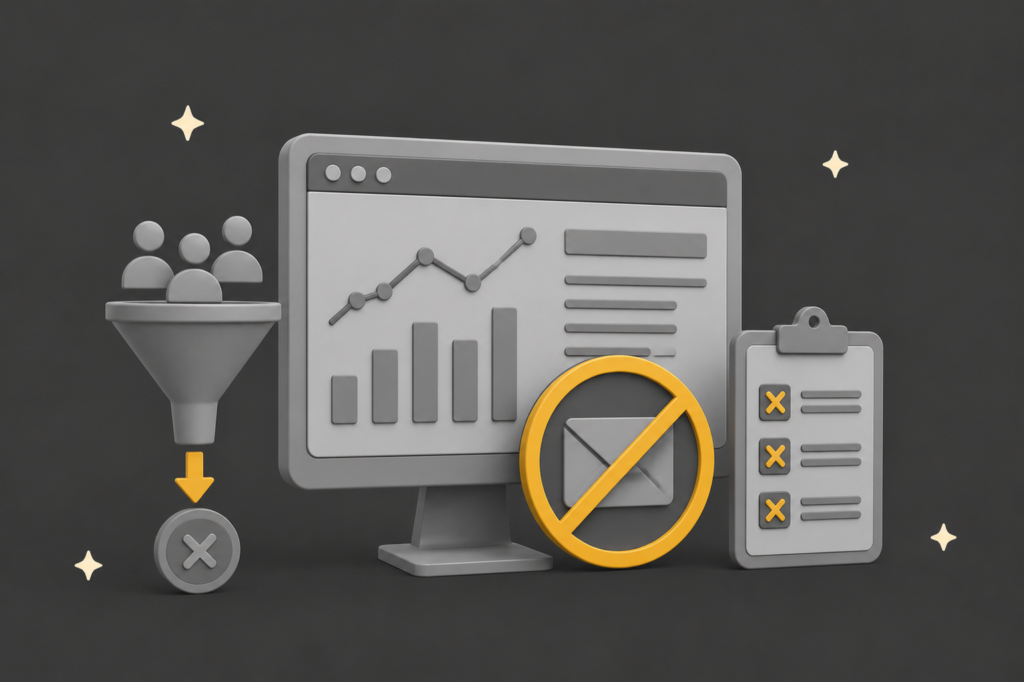
A website gets traffic but no enquiries when something between arriving and acting quietly puts visitors off.
They came, they glanced, and something told them to leave rather than get in touch. It is rarely one dramatic fault and more often a few small frictions stacking up.
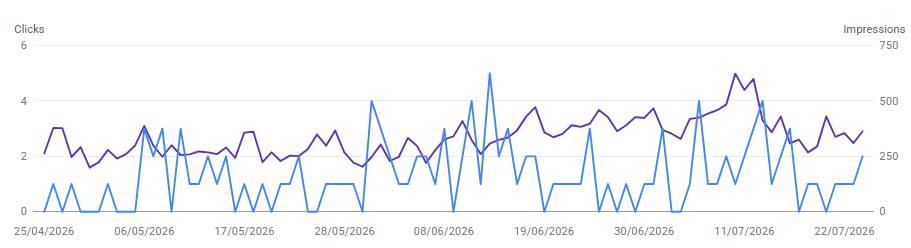
The four causes we see most often are speed, clarity, direction, and trust. A slow site loses people before they read anything. A muddled message leaves them unsure what you actually do or whether it is for them. No clear next step means even interested visitors do not know how to proceed.
And a site that looks dated or thrown together quietly signals risk, so they play it safe and leave.
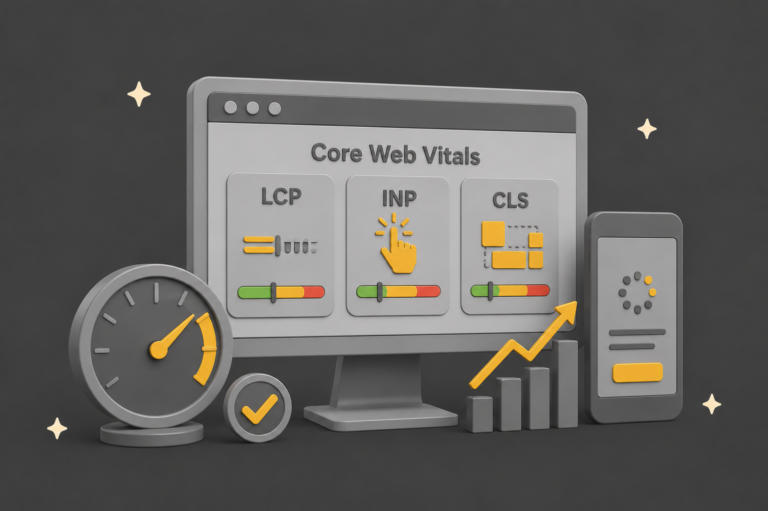
Speed deserves a special mention, because it is invisible in your enquiry numbers but brutal in its effect. We cover it fully in our guide to why your WordPress site is slow, but the short version is that a visitor who waits too long simply never becomes an enquiry at all. The next most common culprit is trust.
Does your website look trustworthy enough to contact?
Whether your website looks trustworthy enough to contact is one of the biggest hidden factors in conversion, because visitors make a snap judgement about your credibility within seconds of landing, and much of that judgement is based on how the site looks and feels.
In Stanford’s long-running Web Credibility research, nearly half of consumers, around 46%, said they assessed a site’s credibility partly on the appeal of its visual design, including layout, typography, and colour. In other words, people judge the book by its cover.
In practice, trust on a small business site comes from a handful of concrete things: a professional, current design, real photos rather than obvious stock images, genuine reviews and testimonials, a real address and contact details, and clear pricing or at least a straight answer about how you work, even being a Google preferred source. Each one quietly reassures a stranger that you are a real, reliable business.
Once a visitor trusts you, they need to know what to do next, which is where a surprising number of sites fall silent.
Is your website telling people what to do next?
Many websites simply do not tell visitors what to do next, and a visitor who has to work out their own next step will usually take the easiest one available, which is leaving.
Every important page should have one clear, obvious action you want people to take.
The keyword is one. A page cluttered with competing buttons, “call us”, “email”, “follow us”, “download this”, “book that”, scatters attention and dilutes the decision. A single, prominent call to action, repeated sensibly down a longer page, converts far better than a dozen half-hearted ones. Decide what the enquiry actually is, whether that is a call, a form, or a booking, and make that the unmistakable next step.
Make it effortless, too. A contact form with fifteen fields is a wall; a form asking only for what you truly need is an open door. The same goes for a phone number that is tappable on mobile and an email that does not hide in the footer. With the diagnosis clear, here is how to put it right.
How do you turn website traffic into enquiries?
You turn website traffic into enquiries by fixing the four culprits in order of impact: speed first, then clarity, then a clear call to action, then trust. Work through them one at a time so you can see what actually moves the needle.
Start with speed, because it gates everything else. Then sharpen your message so a stranger understands what you do, who it is for, and why you within a few seconds of landing. Next, give every key page a single obvious next step and make getting in touch effortless.
Finally, layer in the trust signals: reviews, real photos, clear contact details, and honest pricing.
None of this requires buying more visitors. It makes the visitors you already have worth more, which is why conversion work tends to pay back faster than yet another marketing spend.